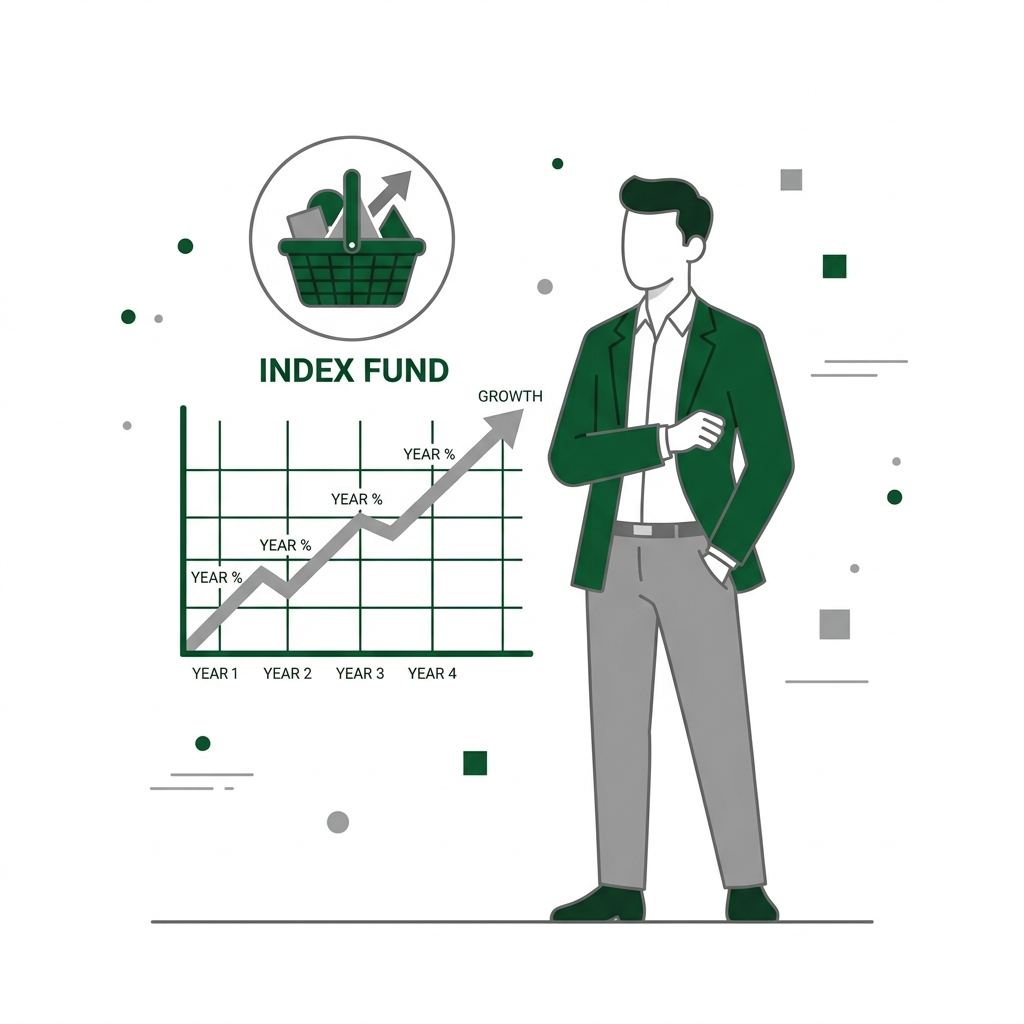
When you first start learning how to invest after college, the number one piece of advice you will hear is simple: put your money into low-cost index funds and let the market do the work. But recently, major financial publications like the Financial Times have been debating what happens when the entire world goes all-in on index investing. Commentators worry about big-picture market questions, from stock price efficiency to giant fund managers holding too much influence. If you see headlines like this, it is easy to wonder: is the simplest way to invest secretly broken?
Here is the perspective every recent grad needs to know: those debates are interesting for Wall Street theorists, but they shouldn't change your personal strategy one bit. When institutions worry about the explosive growth of index funds, what they are really seeing is that everyday investors have realized they don't need to pay hefty management fees to financial middlemen who rarely beat the market anyway. Index funds have become so popular because they work: they give you instant ownership of hundreds of profitable companies at virtually zero cost, completely removing the stress of picking individual stocks.
As someone in your twenties, your greatest financial superpower is time. Over a 30- or 40-year horizon, avoiding high fees and staying broadly diversified in the market will save you tens of thousands of dollars and ensure you capture the economy's long-term growth. Don't let Wall Street's institutional anxiety distract you from what works. Keep your investing automatic, keep your costs near zero, and let compound growth do the heavy lifting for you.
Read the full article: Financial Times: What We Lose When the World Goes All-In on Index Investing